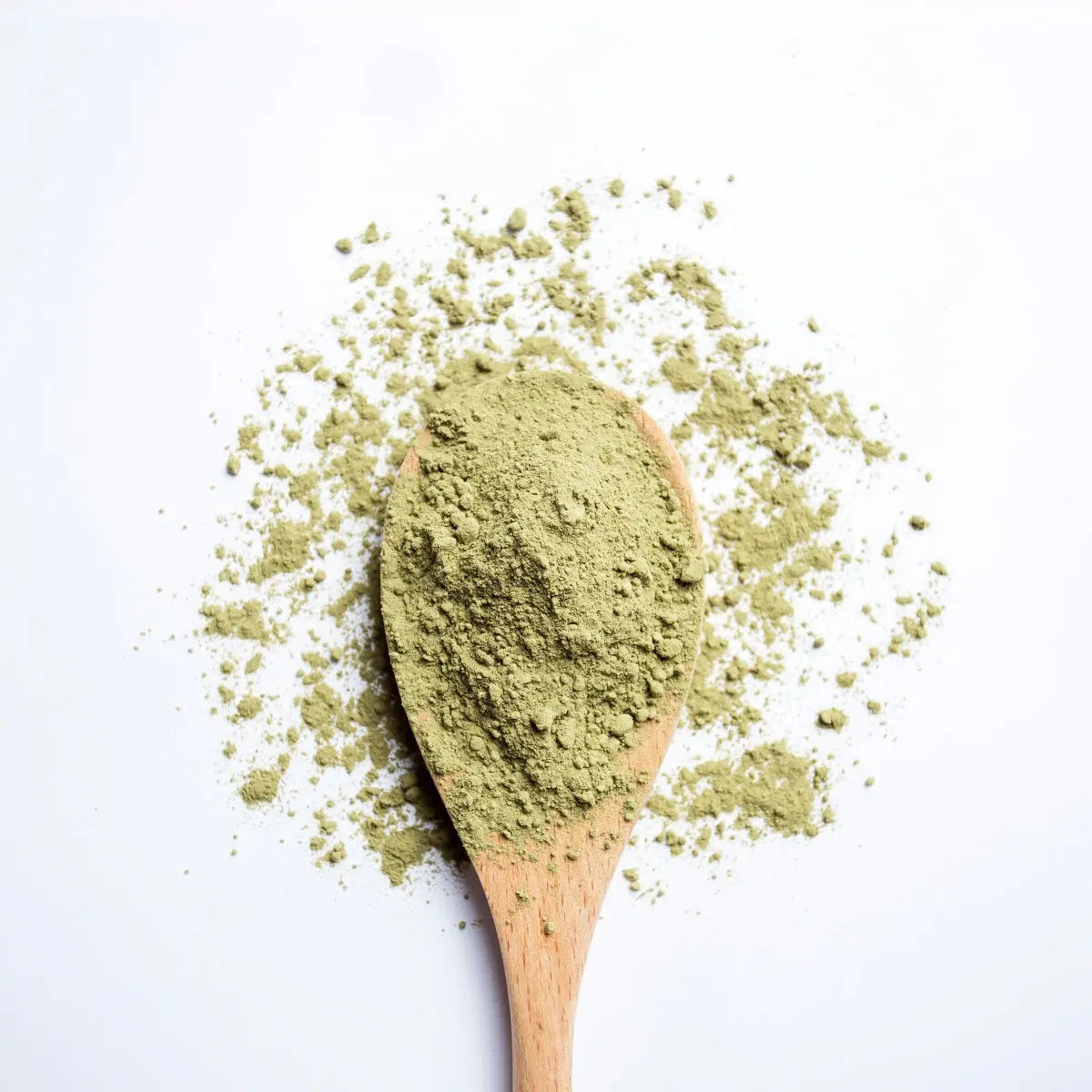


Detox tea is a broad label for tea blends marketed to support cleansing, digestion, metabolism, or short-term weight goals. In practice, these blends vary widely. Some contain traditional tea such as green tea, some rely on herbs such as dandelion or hibiscus, and others include stimulant or laxative ingredients that change how the body feels for a few hours.
The key point is simple: detox tea does not make the body perform detoxification in a new way. Your liver, kidneys, digestive tract, lungs, and skin already handle waste processing and elimination. What a tea may do is support hydration, provide mild caffeine-related alertness, or influence digestion depending on its ingredients.
What detox tea is
There is no single medical or regulatory definition of detox tea. The term usually refers to an herbal or tea-based blend positioned for digestive support, reduced bloating, mild energy, or a temporary "clean" feeling after drinking it.
Ingredient lists matter more than the word detox. For example, one store product, Tropic Slender 14-Day Detox, is described as a 14-day herbal tea with burdock, dandelion, green tea, and hibiscus for gentle digestive support and mild energy. That description shows why detox tea is best understood by its ingredients and intended effects rather than by the detox label alone.
Some detox-style teas lean more toward digestion than cleansing language. For example, Ginger Paw Paw Digestive Tea is described as supporting digestion and gentle immune support, while Digest Soothing Herbal Tea is described as soothing occasional heartburn and reflux. If your goal is digestive comfort, a targeted digestive tea may be a more precise choice than a generic detox product.
What detox tea may do

A detox tea may have real, but limited, effects. Depending on the blend, it may increase fluid intake, provide mild caffeine-related alertness, or support digestion through herbs traditionally used for stomach comfort.
For example, green tea or matcha may contribute caffeine and plant compounds associated with alertness. Island Wellness Tea describes Organic Matcha Energy as providing antioxidants and L-theanine for steady focus and energy. That is an energy effect, not proof of toxin removal.
Some people also notice less bloating or a lighter feeling after certain teas. This can happen because warm fluids, caffeine, or specific herbs affect digestion or bowel activity. If you want to understand ingredient-based digestive support in more detail, the related guides on tea for digestion and gut health tea are directly relevant to that question.
| Claim | What is realistic |
|---|---|
| "Flushes toxins" | No tea has been shown to replace the body's built-in detox systems. |
| "Reduces bloating" | Possible in some cases, depending on hydration, caffeine, and digestive herbs. |
| "Boosts energy" | Possible if the tea contains caffeine, such as green tea or matcha. |
| "Supports digestion" | Possible with ingredients commonly used for digestive comfort, but effects vary. |
| "Causes weight loss" | Any quick change is often temporary water loss or bowel emptying, not body fat loss. |
What detox tea does not do
Detox tea does not cleanse the liver, remove unnamed toxins, melt body fat, or permanently shrink the stomach. These are common marketing-style claims, but they go beyond what a beverage can reliably do.
It also does not guarantee that feeling lighter means becoming healthier. A short-term drop on the scale may reflect water shifts, caffeine effects, or increased bowel movements. That is different from long-term metabolic change.
Safety also depends on ingredients and frequency of use. Teas with caffeine may not suit everyone, and blends that rely on strong bowel-stimulating herbs can be inappropriate for regular use. A safer approach is to read the ingredient list, match the tea to a specific goal, and avoid assuming that "detox" means medically necessary cleansing.
If your aim is general wellness rather than a cleanse, a broader evidence-based view of tea ingredients may be more useful than detox framing alone. The articles on herbal teas and their benefits and organic tea benefits are better fits for comparing realistic uses of tea by wellness goal.
FAQ
Does detox tea remove toxins from the body?
No. The body already processes and eliminates waste through organs such as the liver and kidneys. Tea may support hydration or digestion, but it does not take over detoxification.
Why do some people feel different after drinking detox tea?
Effects can come from caffeine, increased fluid intake, or herbs that influence digestion or bowel activity. Those effects may feel noticeable without representing actual toxin removal.
Can detox tea help with weight loss?
It may cause temporary changes in water weight or fullness, but that is not the same as lasting fat loss. Sustainable weight change depends more on long-term diet, activity, sleep, and overall energy balance.
Is detox tea the same as digestive tea?
No. Some detox teas are marketed broadly, while digestive teas are usually aimed more specifically at stomach comfort, bloating, or occasional digestive symptoms.