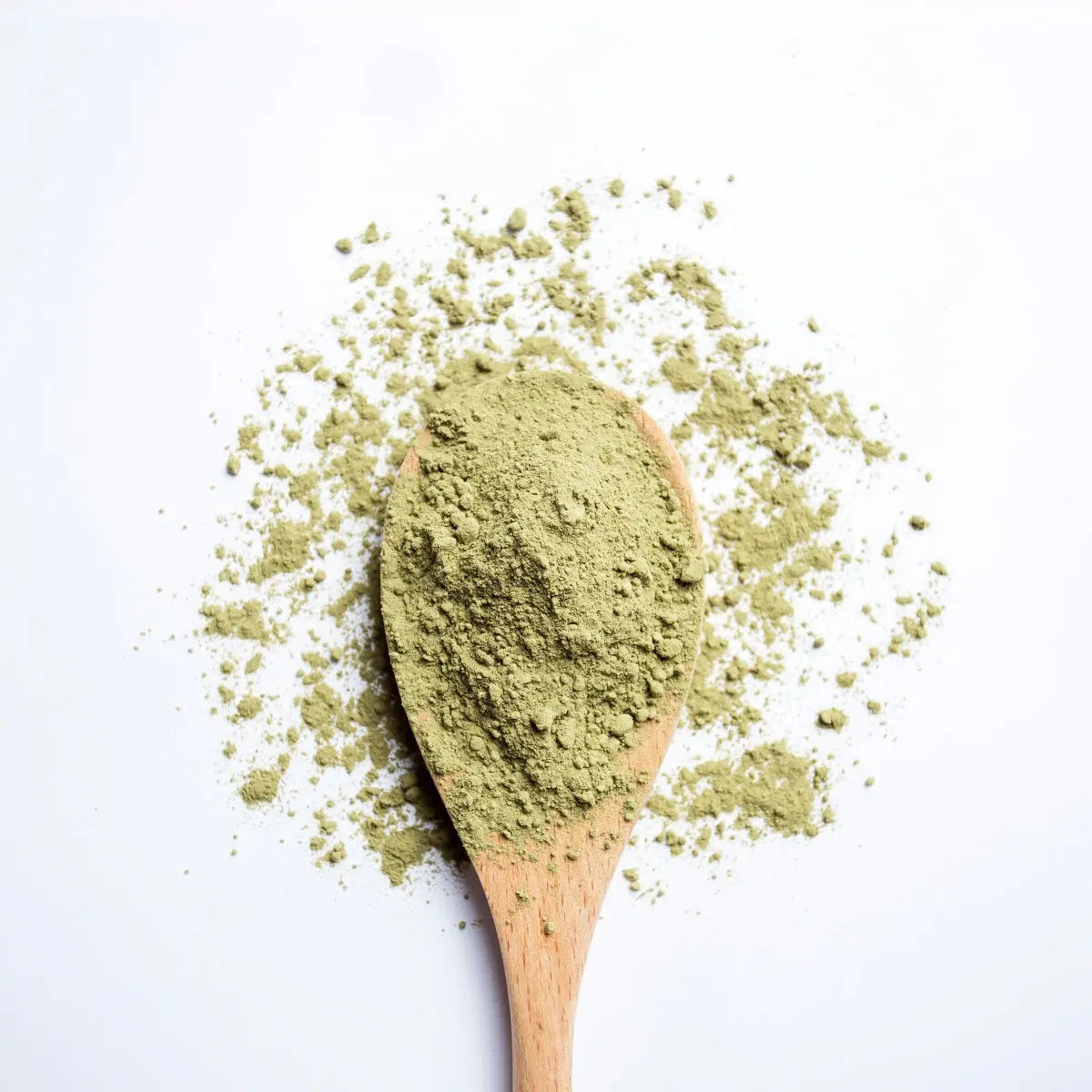


Some of the best tea ingredients for digestion are ginger, peppermint, chamomile, fennel, and licorice root. These herbs are commonly used to help with nausea, gas, bloating, stomach cramps, and occasional indigestion. The best choice depends on the symptom you want to address and whether you need a caffeine-free option.
If you want a simple place to start, ginger is often used for nausea, peppermint for gas and cramping, and chamomile for mild stomach tension. For broader digestive support, blends built around soothing herbs can be useful, such as Digest Soothing Herbal Tea, which is described as a five-herb blend made to soothe occasional heartburn and reflux, and Ginger Paw Paw Digestive Tea, an organic loose-leaf blend intended to support digestion.
Tea ingredients that may help digestion

Different herbs support digestion in different ways. Some are used to calm the stomach, some may reduce muscle spasms, and others are chosen for post-meal heaviness or bloating.
- Ginger: Often used for nausea, queasiness, and mild stomach discomfort. It is one of the most common tea ingredients for an unsettled stomach.
- Peppermint: Commonly used for gas, bloating, and intestinal cramping. It may feel soothing after heavy meals, though it is not ideal for everyone with reflux.
- Chamomile: Often chosen for mild indigestion and stomach tension, especially when stress may also be a factor.
- Fennel: Traditionally used for bloating and gas, especially after meals.
- Licorice root: Sometimes used in digestive teas for soothing the stomach lining, though it is not appropriate for everyone because it can affect blood pressure in some forms.
Ingredient choice matters more than tea type alone. A black or green tea base may suit some people, but herbal teas are often preferred for digestion because they are usually caffeine free and can target a specific symptom more directly.
How to choose the best tea for your stomach symptom

The best tea for digestion depends on what your stomach is doing. Matching the ingredient to the symptom is usually more helpful than picking a generic "digestive tea."
| Symptom | Ingredients often used | What to know |
|---|---|---|
| Nausea | Ginger | Often the first choice for motion-related or mild digestive nausea. |
| Gas and bloating | Peppermint, fennel | Often used after meals when the stomach feels full or tight. |
| Mild cramping | Peppermint, chamomile | These herbs are commonly used for a soothing effect on the digestive tract. |
| Occasional heartburn or reflux | Gentle soothing blends | Peppermint may not suit some people with reflux, so ingredient choice matters. |
| General digestive support | Ginger blends, mixed herbal blends | A broader formula may help when symptoms are mixed rather than specific. |
For example, Island Digest Blend is specifically described as a blend to soothe occasional heartburn and reflux, while Tropic Slender 14-Day Detox is described as containing burdock, dandelion, green tea, and hibiscus for gentle digestive support and mild energy. If you prefer to browse by purpose rather than a single formula, the Gut Health collection is also available as a digestion-focused category.
What to keep in mind before drinking tea for digestion
Herbal tea can be a practical option for mild digestive discomfort, but it is not a substitute for medical care when symptoms are severe, persistent, or unexplained. Ongoing reflux, vomiting, weight loss, black stools, severe abdominal pain, or trouble swallowing should be assessed by a clinician.
It also helps to pay attention to individual triggers. Peppermint may bother some people with reflux, caffeinated teas may irritate sensitive stomachs, and some herbs can interact with medications or health conditions. If you want a broader overview of herbal tea use, Herbal Teas and Their Benefits: A Practical Guide by Wellness Goal and Discover Ginger Paw Paw Tea: Your New Secret to Boosting Immunity and Digestion are relevant supporting resources in the same store knowledge base.
FAQ
What tea is best for bloating?
Peppermint and fennel are commonly used for bloating and gas after meals.
Is ginger tea good for an upset stomach?
Yes. Ginger is widely used for nausea and mild stomach discomfort, which is why it is a common digestive tea ingredient.
Can peppermint tea help reflux?
Not always. Peppermint may feel soothing for some digestive symptoms, but some people with reflux find that it worsens symptoms.
What is the best caffeine-free tea for digestion?
Ginger, chamomile, peppermint, and fennel herbal teas are common caffeine-free options for digestive support.