

Herbal tea can support weight loss, but it does not work like a medication or replace a calorie deficit, regular movement, sleep, and overall diet quality. For most people, the realistic benefit is indirect: some herbal ingredients may help with hydration, reduce intake of sugary drinks, support digestion, or make it easier to follow a steady eating routine.
For 2026, the most useful way to compare herbal teas is by function. Some blends are better for digestion and bloating, some fit an afternoon craving routine, and some combine herbs with tea leaves for mild energy support. If you want a broader overview of functional tea categories, herbal teas by wellness goal is a relevant reference. Store pages also show that the catalog includes digestion-focused blends, matcha, and a weight-management-oriented tea blend such as Tropic Slender 14-Day Detox with burdock, dandelion, green tea, and hibiscus, positioned for gentle digestive support and mild energy.
Which herbal teas are most useful for weight loss support

The best herbal teas for weight loss support are usually the ones that help you stick to useful daily habits. That means choosing teas that improve satiety routines, reduce high-calorie beverage intake, or ease digestive discomfort that can make healthy eating harder to maintain.
1. Ginger tea
Ginger tea is often used when digestion feels slow or heavy. It may be useful after meals or during times when bloating makes it harder to stay comfortable with a balanced eating plan. A digestion-focused example in the store is Ginger Paw Paw Digestive Tea, described as an organic loose-leaf blend that supports digestion and gentle immune support.
2. Peppermint and soothing digestive blends
Peppermint and similar soothing herbs are not fat burners, but they may help people who confuse digestive discomfort with hunger or snacking cues. A practical supporting resource is best tea for digestion. Another relevant option is Digest Soothing Herbal Tea, which is described as a five-herb blend for occasional heartburn and reflux.
3. Hibiscus and tart herbal blends
Hibiscus is commonly used in caffeine-free blends and can help replace sweetened drinks with a tart, flavorful alternative. That substitution can matter more than any single herb effect if it lowers daily liquid calories. Hibiscus also appears in Tropic Slender 14-Day Detox alongside burdock, dandelion, and green tea.
4. Dandelion and burdock blends
Dandelion and burdock are usually discussed for gentle digestive or fluid-balance support, not direct fat loss. Some people use them when they want a lighter-feeling routine, but that should not be confused with meaningful body-fat reduction. They make the most sense when included as part of a steady hydration and meal routine.
5. Herbal blends combined with green tea or matcha
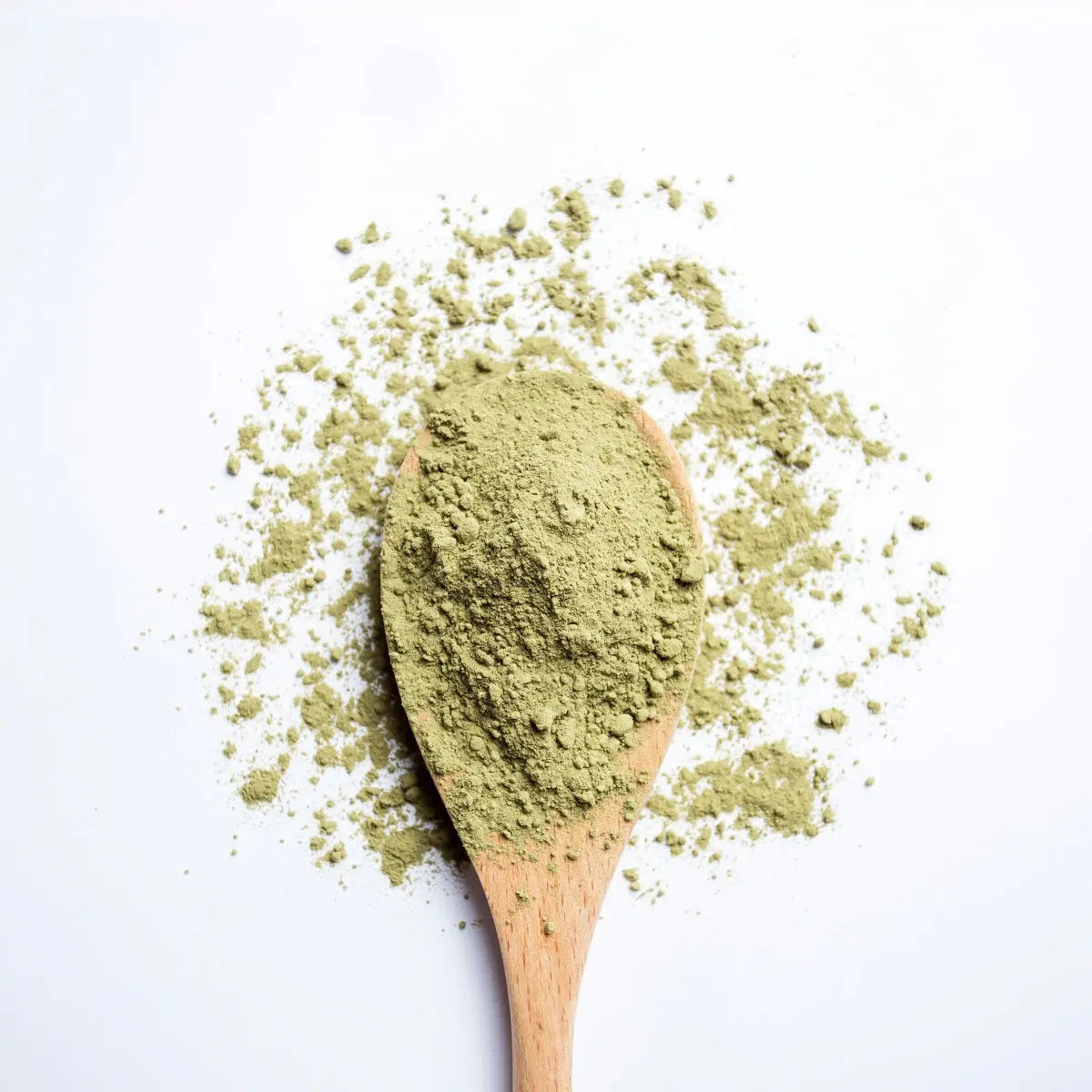
Strictly speaking, green tea and matcha are not herbal teas, but they often appear in the same weight-support conversation because they provide caffeine and catechins. If your goal is mild energy support for activity or better replacement for sugary coffee drinks, mixed formulas can be relevant. The store also lists Organic Matcha Energy as a stone-ground green tea powder with antioxidants and L-theanine for steady focus and energy.
| Tea type | Main support role | Best use case | Important limitation |
|---|---|---|---|
| Ginger | Digestive comfort | After meals or during bloating | Does not directly cause fat loss |
| Peppermint or soothing blends | Reduce discomfort-driven snacking | Evening or after heavy meals | Effects vary by person |
| Hibiscus | Low-calorie drink replacement | Iced or unsweetened daily use | Best benefit may come from beverage substitution |
| Dandelion or burdock blends | Gentle routine support | Hydration-focused habits | Not a meaningful standalone weight-loss method |
| Herbal plus green tea or matcha | Mild energy and routine support | Morning or pre-activity use | Contains caffeine unless labeled caffeine-free |
How to choose the right tea for your goal

The right choice depends on why tea is part of your weight-loss plan. If you want digestive support, look for ginger, peppermint, or other soothing blends. If your biggest issue is replacing soda, juice, or sweet coffee drinks, choose a flavorful unsweetened herbal tea you can drink consistently.
If you are specifically comparing loose-leaf options, loose leaf tea benefits explains why whole-leaf or whole-herb formats can matter for aroma and brewing control. For people focused on digestion as part of weight-management habits, gut health teas is also a relevant internal reference because it aligns with the same practical use case.
- Choose caffeine-free herbal tea for evening use or if caffeine disrupts sleep.
- Choose ginger or digestive blends if bloating or stomach discomfort affects your routine.
- Choose tart or spiced herbal teas if you need a satisfying replacement for sweet drinks.
- Choose blends with green tea or matcha only if mild caffeine fits your schedule.
- Avoid products that imply medication-like weight loss results.
It is also important to judge teas by what they help you do consistently. A tea that helps you drink more water, snack less mindlessly, or avoid high-calorie beverages may be more useful than a more aggressive product you do not actually enjoy or tolerate well.
How to use herbal tea realistically for weight management
Use herbal tea as a support tool, not as the main strategy. The strongest real-world benefits usually come from replacing calorie-dense drinks, creating a post-meal ritual that reduces extra snacking, and choosing blends that help you feel physically comfortable enough to stay consistent.
- Pick one or two teas based on your main need, such as digestion, cravings, or beverage replacement.
- Drink them at repeat times each day, such as after lunch, mid-afternoon, or after dinner.
- Keep them unsweetened or lightly flavored without adding sugar-heavy mixers.
- Track whether the tea changes your eating pattern, beverage choices, or digestive comfort.
- Stop using any blend that causes jitters, stomach irritation, or sleep disruption.
If a tea contains green tea, matcha, or black tea, remember that it is not purely herbal and may add caffeine. The store catalog includes both herbal options and caffeinated tea products, including black tea and matcha, so reading the product type matters before choosing a routine.
No tea works like GLP-1 medications or causes targeted belly-fat loss. The best evidence-based expectation is modest support through habits such as hydration, appetite routine control, and reduced intake of sugary beverages. That makes herbal tea a practical adjunct, not a primary treatment.
FAQ
Can herbal tea burn fat directly?
No. Herbal tea does not directly burn significant body fat on its own. Its main value is usually indirect support through hydration, beverage substitution, and digestive comfort.
What is the best herbal tea for bloating during weight loss?
Ginger tea and soothing digestive blends are commonly used for bloating support. They may help comfort and routine adherence, though effects differ by person.
Are detox teas effective for weight loss?
Some detox teas may temporarily affect digestion or water balance, but that is not the same as meaningful fat loss. Any benefit should be judged by whether the tea supports sustainable daily habits.
Is matcha an herbal tea?
No. Matcha is a powdered green tea, not an herbal tea. It is relevant to weight-support discussions because it contains caffeine and tea antioxidants.