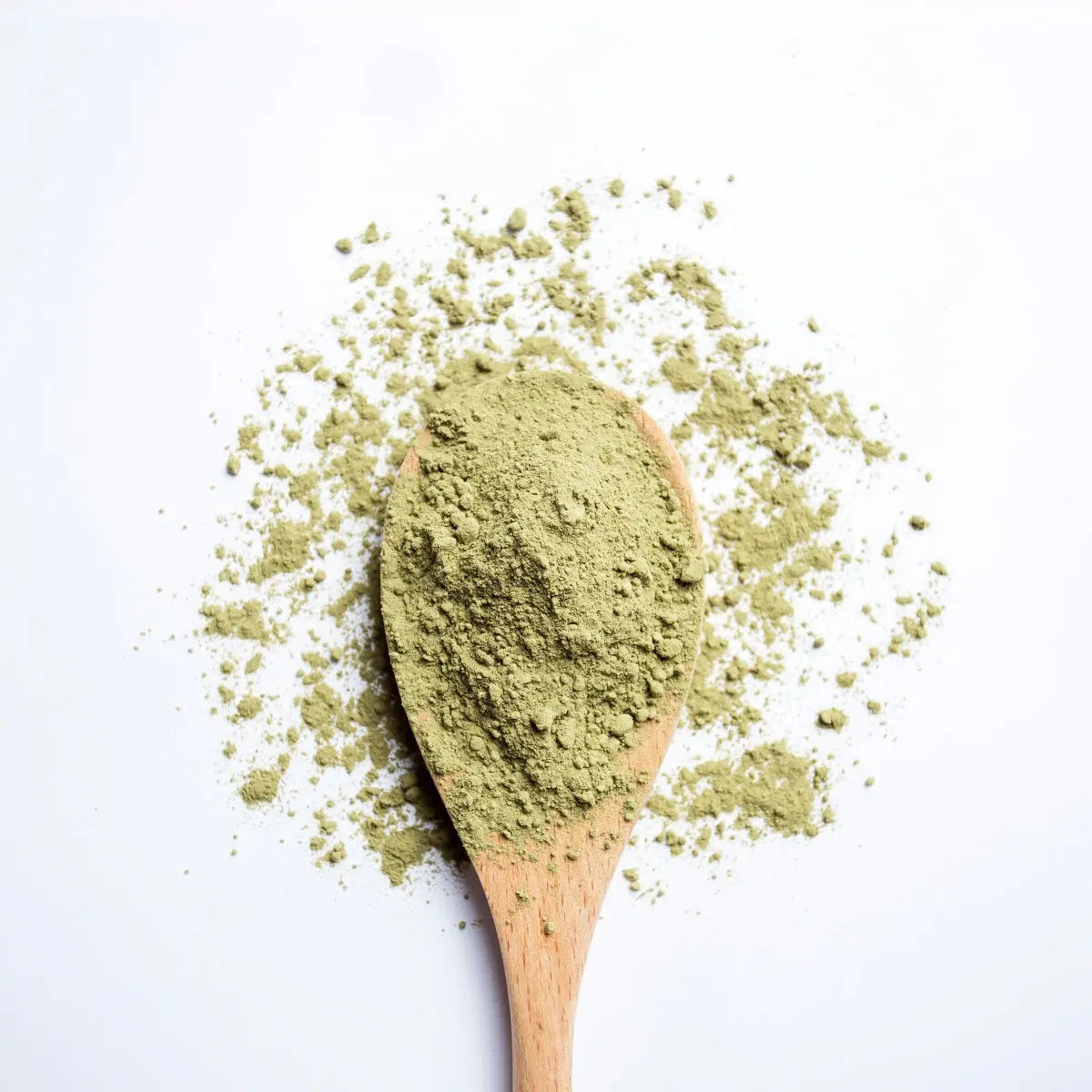


Loose leaf tea is tea made from whole or larger-cut leaves, herbs, flowers, or roots that are brewed freely in water instead of being sealed inside a standard tea bag. In practical terms, that usually means better leaf expansion, fuller aroma, and more control over strength, temperature, and steep time.
For many people, the main reason to choose loose leaf tea is not complexity for its own sake. It is the combination of flavor, brewing control, and the ability to choose specific tea types such as black, green, matcha, or herbal blends based on taste and intended use.
What loose leaf tea is and why it is different
Loose leaf tea refers to tea or herbal blends sold as free leaves or cut botanicals rather than pre-portioned tea dust in bags. Because the ingredients have more room to open during steeping, water can circulate more evenly through the leaf material. That often improves extraction of flavor and aroma.
Loose leaf tea also makes it easier to match the tea to a specific need. For example, if someone wants a stronger morning cup, a full-bodied black tea can make sense, while an herbal blend may be more appropriate when caffeine is not wanted. Readers comparing tea styles may also find it useful to review how loose leaf tea differs from tea bags.
Another practical difference is equipment. Loose leaf tea usually requires an infuser, basket, or strainer. A simple reusable tool such as a fine mesh tea strainer helps keep leaves out of the cup while still allowing the tea to expand.
What benefits loose leaf tea can offer
The benefits of loose leaf tea depend on the type of tea or herbs used, not on the loose format alone. The loose format mainly affects brewing quality and ingredient visibility. It lets you see larger leaves and whole botanicals, which can make it easier to judge what you are brewing.
Tea made from the Camellia sinensis plant, such as black or green tea, naturally contains plant compounds including polyphenols. If the goal is smooth caffeine and a stronger traditional tea profile, organic black tea is one example of a loose leaf option. If the goal is focused energy from powdered whole green tea, organic matcha is another option.
Herbal loose leaf blends are chosen more for ingredients and function than for caffeine. For digestion-related use cases, readers may want to compare ingredient-focused guidance on tea ingredients that may support digestion or explore broader options for gut health teas. That is helpful because ginger, peppermint, paw paw leaf, hibiscus, or other herbs are selected for different reasons and should not be treated as interchangeable.
How to brew loose leaf tea well

Brewing loose leaf tea is straightforward when you adjust three variables: amount of tea, water temperature, and steep time. Most brewing problems come from using water that is too hot, steeping too long, or using too much leaf for the cup size.
Basic brewing method
- Heat fresh water to the temperature suited to the tea type.
- Add the loose leaf tea to an infuser or directly to a teapot.
- Use roughly 1 teaspoon per cup unless the tea instructions say otherwise.
- Steep for the recommended time, then remove the leaves or strain the tea.
- Taste and adjust on the next cup by changing time or leaf amount, not all variables at once.
General starting points
| Tea type | Water | Steep time |
|---|---|---|
| Black tea | Near boiling, about 95 C | 3-5 minutes |
| Green tea | Lower than boiling | Usually shorter than black tea |
| Matcha | Hot but not boiling | Whisked rather than steeped like whole leaves |
| Herbal tea | Hot water | Often 5-7 minutes depending on the blend |
Some store product guidance gives practical examples. The black tea product page recommends brewing at 95 C for 3-5 minutes, while one herbal immune blend suggests 1 teaspoon per cup steeped for 5-7 minutes. Those are useful starting points, but exact results still depend on leaf size, cup volume, and personal preference.
If you want one simple rule, start mild and increase strength gradually. It is easier to brew a stronger second cup than to fix an over-extracted first one.
FAQ
Is loose leaf tea better than tea bags?
Loose leaf tea is not automatically healthier, but it often gives better flavor, aroma, and brewing control because the leaves usually have more space to expand in water.
Does loose leaf tea contain caffeine?
Some loose leaf teas contain caffeine and some do not. Black tea, green tea, and matcha usually contain caffeine, while many herbal blends are naturally caffeine free.
How much loose leaf tea should you use per cup?
A common starting point is 1 teaspoon per cup. Adjust from there based on the tea type, leaf size, and the strength you prefer.
Do you need special equipment for loose leaf tea?
No special machine is required. A teapot with an infuser, a basket infuser, or a reusable mesh strainer is usually enough.