

Immune support tea is not a cure or a substitute for sleep, nutrition, vaccination, hydration, or medical care. Its main role is to help you build a steady daily routine around ingredients that may support normal immune function, reduce inflammation, or provide antioxidant compounds. The most useful teas for this purpose are usually built around a few well-known herbs rather than a long list of trendy ingredients.
For everyday use, the best immune support teas generally combine warming herbs, antioxidant-rich tea leaves, and soothing botanicals. A practical example is Island Brew Immune Herbal Tea, described as an 8-herb whole-plant blend for immune resilience, or Ginger Paw Paw Digestive Tea, which is described as supporting digestion and gentle immune support.
Best herbs and teas for everyday immune support

The best tea ingredients for everyday defense are the ones with a clear purpose. Some are used for antioxidant intake, some for soothing the throat or stomach, and some for general wellness support during seasonal changes.
- Ginger: Commonly used in herbal teas for its warming character and anti-inflammatory compounds. It is a practical everyday ingredient, especially when immune support and digestive comfort overlap.
- Turmeric: Often included in immune blends because curcumin is associated with anti-inflammatory activity. It is usually more effective in blends than as a weak standalone infusion because turmeric root has a strong flavor and limited water solubility.
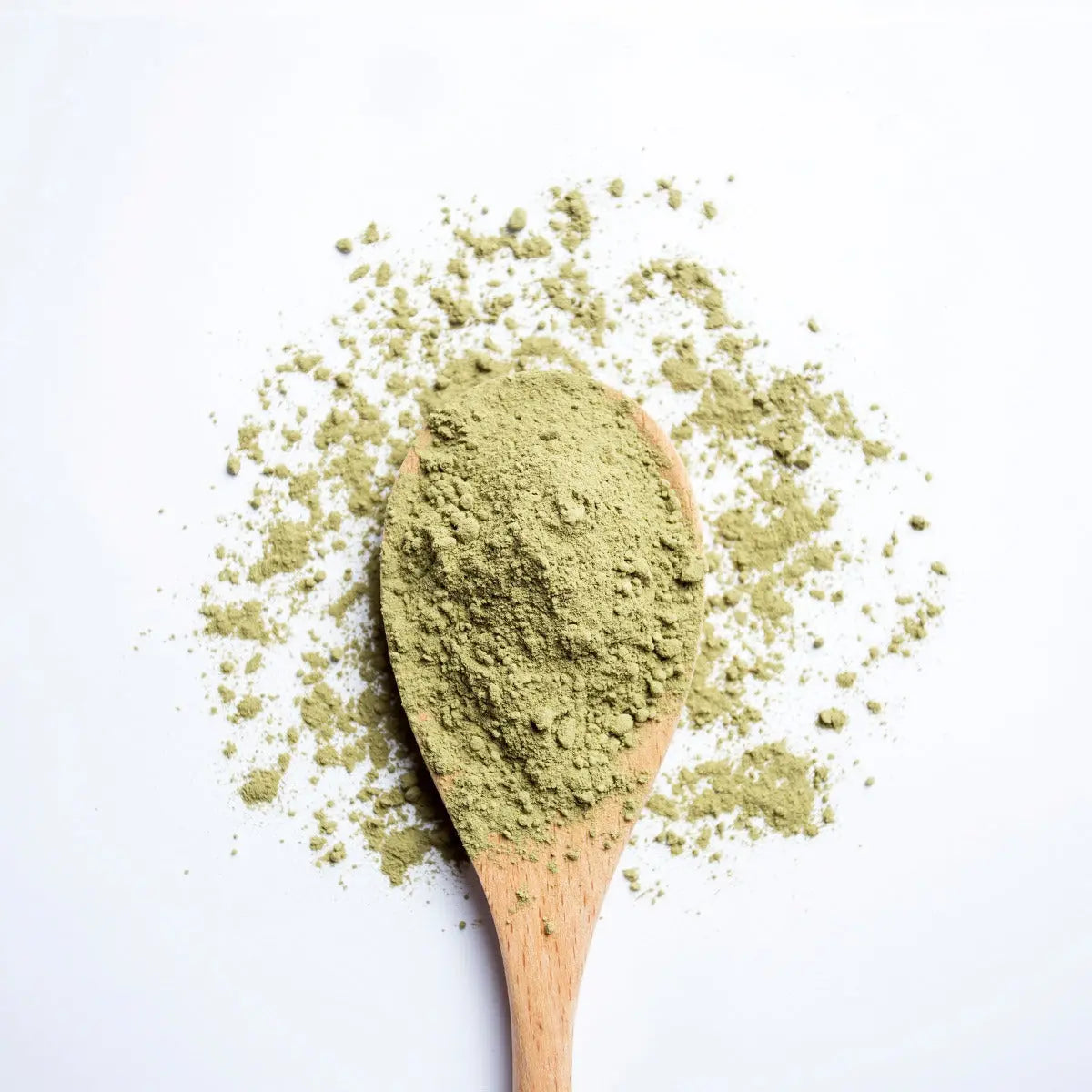
- Green tea or matcha: These provide catechins and other polyphenols associated with antioxidant activity. If you want an option that combines immune-supportive polyphenols with caffeine, green tea is often more suitable than purely herbal tea.
- Black tea: Black tea also contributes polyphenols and can fit a daily wellness routine if you prefer a stronger cup. Organic Black Tea Smooth Energy is described as containing natural antioxidants, which makes it relevant for readers who want a tea-based, not herbal-only, option.
- Elderberry: Frequently used in seasonal wellness blends. It is most often chosen for short-term support during periods when people want a more focused immune-support routine.
- Echinacea: Best known as a short-term seasonal herb rather than a daily staple for everyone. It is often used in immune teas, but it is more context-specific than ginger or tea polyphenols.
- Licorice root: Common in throat-soothing blends and often included for flavor balance. It should be used carefully by people with high blood pressure, kidney disease, or those advised to limit licorice.
- Chamomile and peppermint: These are not usually the first herbs people think of for immunity, but they can support rest, digestion, and comfort, which matter for overall recovery and daily resilience.
If you want a broader starting point for wellness herbs, the Herbal Teas and Their Benefits article is a useful companion resource, and the Immune Boosting collection is relevant when you specifically want immune-focused blends found in the store records.
How to choose the right immune support tea

The best immune support tea depends on whether you want daily maintenance, seasonal support, or a tea that also addresses another goal such as digestion or steady energy. In practice, choosing by function is more useful than choosing by trend.
| Goal | Best tea profile | What to look for |
|---|---|---|
| Daily immune routine | Balanced herbal or tea-based blend | Ginger, green tea, black tea, mild botanicals, low added flavoring |
| Seasonal support | More targeted herbal blend | Elderberry, echinacea, ginger, turmeric, throat-soothing herbs |
| Immune support plus digestion | Warming digestive herbal tea | Ginger, peppermint, paw paw leaf, chamomile |
| Immune support plus energy | Caffeinated tea with antioxidants | Green tea, matcha, or black tea |
| Evening wellness | Caffeine-free herbal tea | Chamomile, lemon balm, peppermint, ginger |
For example, a reader who wants digestive comfort and gentle immune support could reasonably choose Ginger Paw Paw Digestive Tea. Someone who wants a more dedicated immune blend could choose Island Brew Immune Herbal Tea, while a reader who prefers antioxidant-rich caffeinated tea could consider Organic Matcha Energy because it is described as providing antioxidants and L-theanine for steady focus and energy.
Also pay attention to tolerance and safety. Caffeinated teas may not suit late evenings, licorice root is not appropriate for everyone, and some herbs can interact with medications or medical conditions. If you are pregnant, immunocompromised, managing a chronic condition, or using prescription medicines, it is sensible to confirm ingredient safety with a clinician before making an immune blend part of your daily routine.
What makes an immune support tea actually useful
A useful immune support tea does three things well: it fits your routine, uses recognizable ingredients, and supports consistency. A tea only helps if you can drink it regularly enough for it to become part of broader health habits.
That is why simple formulations often work best. Loose-leaf blends built around whole herbs or tea leaves are easier to evaluate, and they let you match the tea to the time of day, whether that means an herbal evening cup or a morning tea with antioxidants. If you want more background on preparation and what makes loose-leaf tea different, Loose Leaf Tea Benefits is a relevant supporting read.
In short, the best herbs and teas for everyday defense are ginger, turmeric, green tea, black tea, elderberry, and a small group of supportive botanicals used according to your needs. For most people, the best choice is not the strongest blend. It is the tea you can use consistently alongside the basics that actually shape immune health: sleep, food quality, physical activity, hydration, and appropriate medical care.
FAQ
What is the best tea to strengthen the immune system?
There is no single best tea for everyone. For everyday use, teas with ginger, green tea, black tea, turmeric, or balanced herbal blends are the most practical because they combine antioxidant or anti-inflammatory potential with regular drinkability.
Is herbal tea or green tea better for immune support?
They do different jobs. Green tea contributes catechins and other polyphenols, while herbal teas are usually chosen for ingredients such as ginger, turmeric, elderberry, or chamomile. The better option depends on whether you want caffeine, antioxidant intake, digestive support, or a caffeine-free routine.
Can I drink immune support tea every day?
Many immune support teas can be used daily if their ingredients are suitable for you. Daily use is most appropriate for moderate blends, while stronger or more targeted herbs may be better for shorter periods depending on the ingredient and your health status.
Does immune support tea prevent colds or flu?
No tea can guarantee prevention of colds or flu. Immune support tea can be part of a healthy routine, but it does not replace vaccination, hand hygiene, sleep, diet, or medical treatment.
What should I avoid in an immune support tea?
Be cautious with ingredients that may not fit your needs, such as high caffeine late in the day or licorice root if you have blood pressure concerns. People who are pregnant, taking medications, or managing chronic conditions should review herbal ingredients carefully.