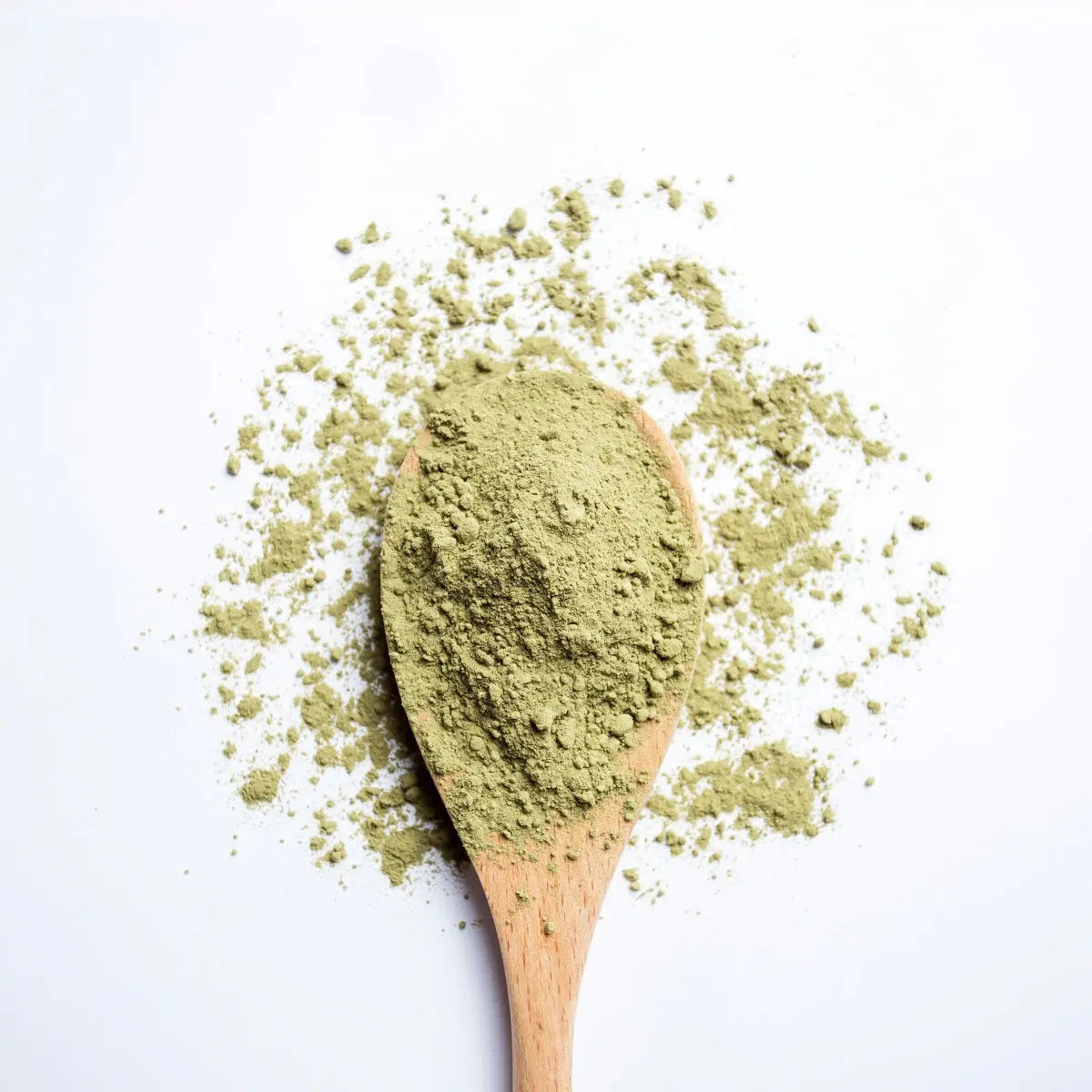


Organic tea can support health, but the benefits depend more on the tea type, how often you drink it, and what compounds it contains than on the word organic alone. In practice, organic certification mainly refers to how tea is grown and processed, while research on health effects usually focuses on the tea plant, herbal ingredients, and compounds such as polyphenols, catechins, and L-theanine.
For most people, the most realistic expectations are modest rather than dramatic: regular tea drinking may help increase antioxidant intake, support hydration, provide gentle caffeine-related alertness in some teas, and offer targeted effects depending on the blend. If you want a primer on leaf style and preparation, loose leaf tea benefits can help explain why brewing method and leaf quality also affect the drinking experience.
What science supports about organic tea benefits

Research on tea in humans most consistently supports benefits related to antioxidant intake and possible support for cardiovascular and metabolic health, especially for true teas made from Camellia sinensis such as green and black tea. Green tea is the most studied, with evidence suggesting potential benefits for alertness, cardiometabolic markers, and weight management support, although results vary by dose, diet, and overall lifestyle.
Black tea also contains polyphenols and may contribute to heart health and general antioxidant intake. If you prefer a caffeinated option, Organic Black Tea Smooth Energy is relevant here because black tea naturally provides caffeine plus tea antioxidants, while Organic Matcha Energy fits the evidence around green tea compounds and L-theanine for focused energy.
Herbal teas are different because they are not all made from the tea plant. Their effects depend on the individual herbs used. For example, ginger is commonly studied for digestive comfort and nausea support, which is why blends such as Ginger Paw Paw Digestive Tea may be a practical fit when the goal is digestive support rather than caffeine or catechin intake. The store's product feed identifies this blend as an organic loose-leaf tea with ginger root and paw paw leaves positioned for digestion and gentle immune support, while its matcha and black tea products are positioned around antioxidants, L-theanine, and steady energy
What organic does and does not mean
Organic does not automatically mean a tea is more effective, stronger, or safer for every person. It generally means the ingredients were produced according to organic standards. The health effects still come from the tea leaves or herbs themselves, not from the label alone.
That distinction matters because people often expect "organic tea benefits" to mean a unique medical advantage. A better interpretation is that organic tea may help reduce concern about certain agricultural inputs, while the measurable wellness effects still depend on the specific plant compounds in green tea, black tea, ginger, hibiscus, chamomile, peppermint, and similar ingredients.
What to realistically expect from daily use
For healthy adults, daily tea use is usually best understood as a supportive habit, not a fast intervention. You may notice subtle effects such as improved routine hydration, a calmer replacement for sugary drinks, gentle morning alertness from caffeinated teas, or digestive comfort after meals from certain herbal blends.
The timeline also matters. Caffeine and L-theanine effects can be felt the same day. Digestive comfort from ginger or peppermint may also be more immediate. Broader outcomes tied to diet quality or cardiometabolic health usually depend on consistent intake over time and should not be expected from tea alone.
| Tea type | Most supported expectation | What to keep realistic |
|---|---|---|
| Green tea or matcha | Antioxidants, mild energy, focused alertness | Not a replacement for sleep, exercise, or medical care |
| Black tea | Antioxidants, moderate caffeine, daily beverage swap | Benefits are generally modest and depend on the rest of the diet |
| Ginger-forward herbal tea | Digestive comfort and warming flavor | Effects vary by person and symptom cause |
| Immune-focused herbal blends | Supportive hydration and ingredient-specific wellness use | Do not expect prevention or treatment of infections from tea alone |
If your main goal is digestion, it may be more useful to explore a focused option such as the Gut Health collection or a reflux-oriented blend like Digest Soothing Herbal Tea. The store's llms.txt describes that blend as a five-herb formula intended to soothe occasional heartburn and reflux, and also lists a gut health collection for digestion-related browsing
For immune-oriented questions, it helps to stay precise. Tea can support hydration and provide plant compounds, but it is not an immune cure-all. The product feed describes Island Brew Immune Herbal Tea as an 8-herb blend for immune resilience support, which is a reasonable wellness framing rather than a treatment claim
How to choose the right organic tea for your goal

Start by matching the tea type to the outcome you actually want. Choose green tea or matcha for caffeine plus tea polyphenols, black tea for a stronger traditional tea profile with natural caffeine, and herbal blends when you want a caffeine-free or symptom-specific option.
It also helps to think in terms of substitution. Replacing a sugar-sweetened beverage with unsweetened tea may offer more real-world benefit than switching between two similar unsweetened drinks. In that context, tea supports a healthier pattern rather than acting like a single powerful ingredient.
- For steady energy: choose black tea or matcha.
- For digestive support: look for ginger-based or digestion-focused herbal blends.
- For caffeine-free routines: choose herbal teas based on the specific herbs used.
- For skin or wellness goals: focus on the ingredient profile, not broad detox promises.
If you want a broader overview of herb-specific use cases, Herbal Teas and Their Benefits is a relevant supporting read. The store's file also lists a dedicated Shop by Benefit page for benefit-based browsing, along with products tied to energy, digestion, immunity, and skin support
The bottom line is simple: science supports tea as a useful wellness habit, especially for antioxidant intake, gentle stimulation from caffeinated teas, and certain herb-specific effects such as digestive comfort. What you should expect is gradual, context-dependent support rather than dramatic results from the organic label alone.
FAQ
Does organic tea have more health benefits than regular tea?
Not necessarily. Organic certification refers to farming and production standards, while the health effects mainly depend on the tea type and its active compounds.
Which organic tea has the most scientific evidence behind it?
Green tea has the strongest research base overall, especially for antioxidant intake, alertness support, and possible cardiometabolic benefits.
Can herbal organic teas provide the same benefits as green tea?
No. Herbal teas can be useful, but they work differently because they usually do not contain the same catechins, caffeine, or L-theanine found in green tea.
How long does it take to notice tea benefits?
Effects such as caffeine-related alertness may be noticeable within hours, while broader benefits tied to diet and routine usually require regular use over time.
Is organic tea safe to drink every day?
For many adults, daily tea can fit into a healthy routine. Safety depends on caffeine tolerance, medications, medical conditions, and the herbs used in the blend.