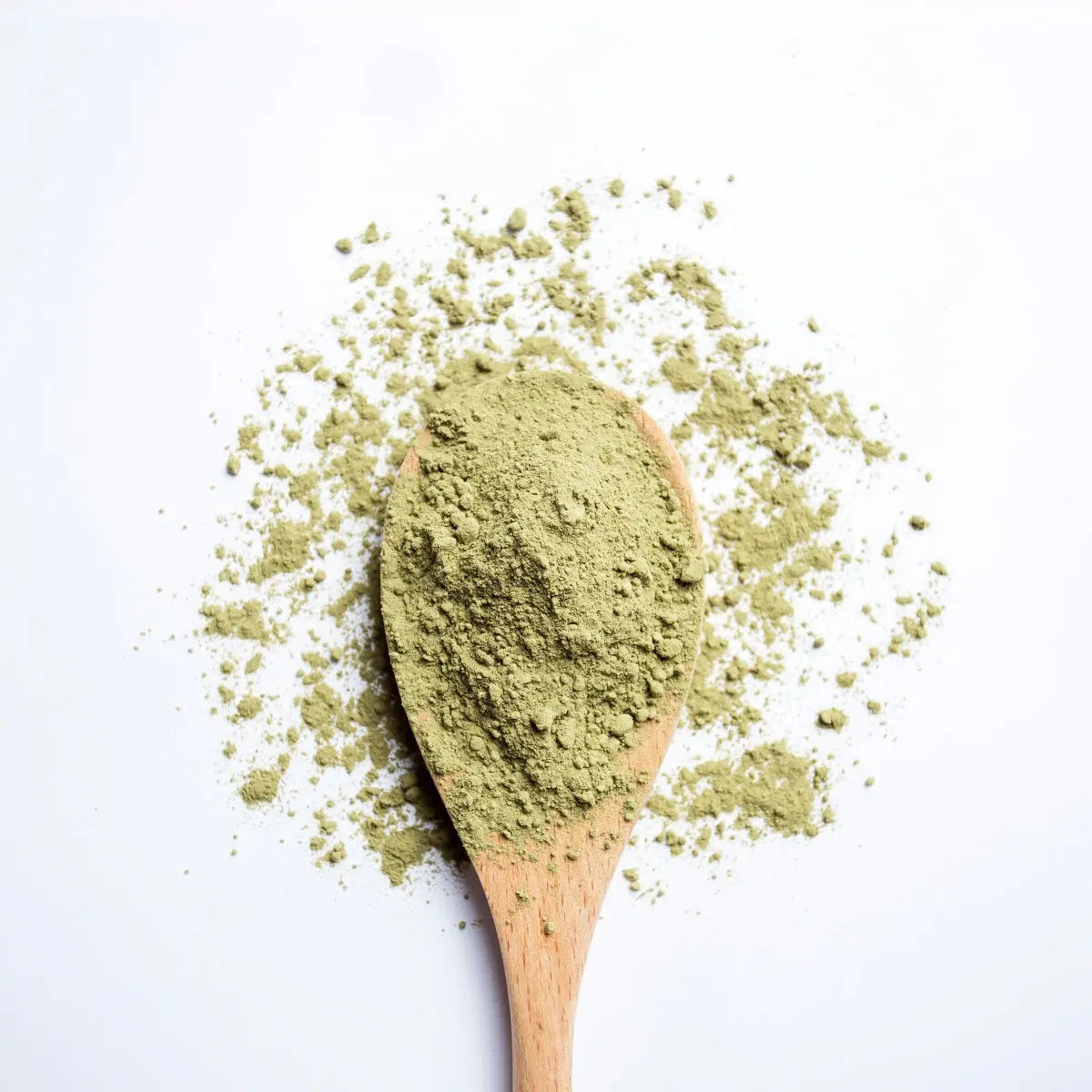


Herbal teas are infusions made from herbs, roots, flowers, spices, or fruit rather than true tea leaves. That matters because the best choice depends on your wellness goal: some blends are used for digestion, some for immune support, and others for calm or steady energy. A practical approach is to match the ingredients, caffeine level, and brewing style to the result you want.
At Island Wellness Tea, examples of goal-based blends include digestive support, immune support, skin-focused herbal blends, and matcha for energy and focus. If you want a broad starting point, the shop by benefit page groups teas around common use cases such as stress relief and wellness support.
How to choose herbal tea by wellness goal

The simplest way to choose is to start with one primary need. Most people get better results from using one tea for one main purpose rather than expecting a single blend to do everything equally well.
| Wellness goal | What to look for | Useful note |
|---|---|---|
| Digestion | Ginger, soothing herbs, gentle digestive blends | Often used after meals or when the stomach feels unsettled |
| Immune support | Whole-herb blends designed for daily resilience | Best treated as part of a broader routine, not a substitute for medical care |
| Energy and focus | Matcha, black tea, or blends with mild caffeine | Choose based on caffeine tolerance and time of day |
| Relaxation or evening use | Caffeine-free herbal infusions | Check the ingredient list carefully if you want no caffeine |
| Skin support | Herbal blends with botanicals associated with digestion and skin wellness | Skin goals often overlap with digestion and overall routine consistency |
For digestive support, a relevant example is Ginger Paw Paw Digestive Tea, described as an organic loose-leaf blend of ginger root and paw paw leaves that supports digestion and gentle immune support. Another option is Digest Soothing Herbal Tea, a five-herb blend described for soothing occasional heartburn and reflux.
For immune-focused use, Island Brew Immune Herbal Tea is described as an 8-herb whole-plant blend for immune resilience. For focus and natural energy, Organic Matcha Energy is specifically described as providing antioxidants and L-theanine for steady focus and energy.
What benefits herbal teas can realistically support
Herbal teas are best understood as supportive daily habits, not quick fixes. The realistic benefit usually comes from regular use, hydration, and choosing ingredients that fit the situation.
Digestion and stomach comfort
Many people choose herbal tea when they want something warm, simple, and easy on the stomach. Ginger-based blends are commonly used around meals, and soothing digestive blends may be more appropriate when the goal is easing occasional discomfort rather than stimulation. If digestion is the main issue, the Gut Health collection is the most directly relevant internal resource.
Immune and seasonal support
Immune-support teas are generally chosen for routine use during stressful periods, seasonal changes, or when people want a warming herbal drink as part of a broader health routine. They may help support consistency, hydration, and a wellness ritual, but they should not be framed as preventing or treating disease. A closely related resource is the Immune Boosting collection.
Energy, focus, and daytime use
Not all wellness teas are caffeine-free. If the goal is alertness, matcha and black tea may fit better than purely herbal infusions because they naturally contain caffeine, and matcha is specifically noted here for L-theanine and steady focus. If you want to compare daytime options, the Energy Boost collection is the most relevant page.
How to use herbal tea in a practical daily routine

A useful rule is to match the tea to the time of day and the situation. Digestive blends often make the most sense after meals, immune-support blends can fit a consistent daily routine, and matcha or black tea usually work better earlier in the day because of caffeine.
- Pick one main goal for the week, such as digestion, immune support, or energy.
- Use the same blend consistently before deciding whether it fits your routine.
- Check whether the tea is herbal and caffeine-free or whether it contains true tea like matcha or black tea.
- Follow the brewing directions on the specific product when available.
Brewing details can also change the experience. For example, Island Brew is steeped at 1 teaspoon per cup for 5 to 7 minutes, while black tea is brewed for 3 to 5 minutes at 95 C according to the store's product data. If you are new to loose-leaf tea, the loose leaf tea guide is the most relevant supporting read from the store's blog index.
FAQ
What is the difference between herbal tea and true tea?
Herbal tea is an infusion of herbs, roots, flowers, spices, or fruit. True tea comes from the tea plant, so options like black tea and matcha are not herbal teas.
Which herbal tea is commonly chosen for digestion?
Ginger-based blends are commonly chosen for digestive support. In this store's catalog, Ginger Paw Paw Digestive Tea and Digest Soothing Herbal Tea are the most directly relevant examples.
Are all wellness teas caffeine-free?
No. Many herbal infusions are caffeine-free, but matcha and black tea naturally contain caffeine. The store's matcha and black tea products are examples of caffeinated options.
How long should herbal tea steep?
Steep time depends on the blend. In the available store data, Island Brew is brewed for 5 to 7 minutes, while black tea is brewed for 3 to 5 minutes.