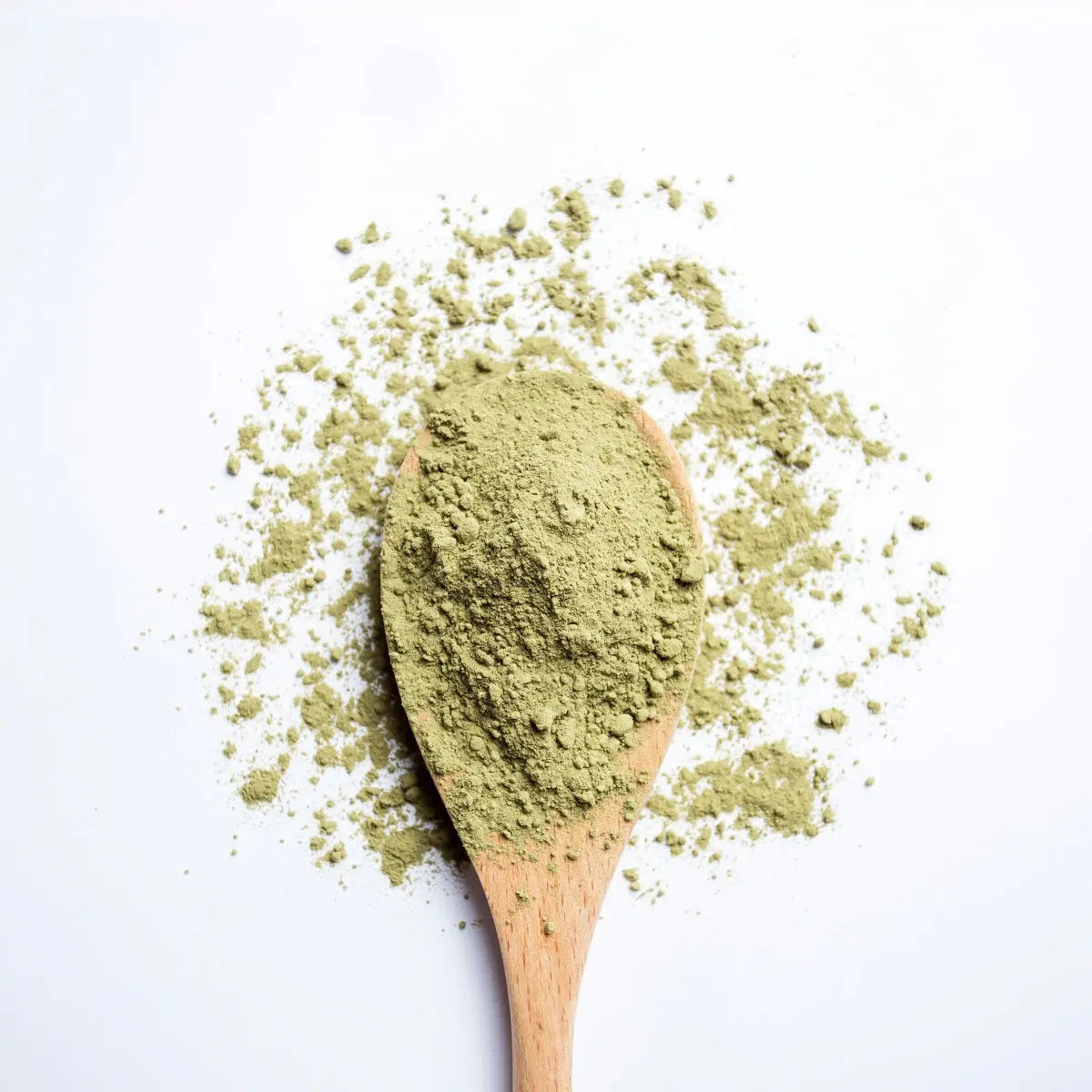


Brewing loose leaf tea correctly comes down to four variables: leaf amount, water temperature, steep time, and enough space for the leaves to expand. When those are dialed in, tea tastes clearer, less bitter, and more balanced. Loose leaf tea also allows better water flow around the leaves than many tea bags, which can improve extraction and aroma.
A simple starting point is 1 teaspoon of loose leaf tea per 8 ounces of water. From there, adjust by tea type, leaf size, and personal taste. For example, Island Brew Immune Herbal Tea specifically recommends 1 teaspoon per cup steeped for 5 to 7 minutes, while Organic Black Tea Smooth Energy recommends brewing at 95 C for 3 to 5 minutes.
The basic method for brewing loose leaf tea

Use fresh water, measure the tea, heat the water to the right temperature, and steep for the correct amount of time. A strainer, infuser basket, teapot filter, or similar tool helps keep fine particles out of the cup while giving the leaves room to open.
Measure the tea. Start with 1 teaspoon per 8 ounces of water. If the blend is made of very large herbs, flowers, or chunky pieces, you may need a little more volume because large ingredients pack loosely.
Heat the water. Black tea and most herbal teas usually do well with near-boiling water. Green tea generally tastes smoother at lower temperatures, because water that is too hot can pull out more bitterness.
Steep for the right time. Most black teas fall in the 3 to 5 minute range, while many herbal blends need 5 to 7 minutes. Over-steeping can make tea harsh or muddy, while under-steeping can leave it thin.
Remove the leaves promptly. Once the steep time is done, separate the leaves from the water. This is one of the easiest ways to avoid bitterness in a single cup or teapot.
If you need a simple brewing tool, a fine-mesh infuser like the Green Leaf Silicone Strainer is designed to fit most cups and teapots and help reduce sediment in the finished tea.
Best tea-to-water ratios, temperatures, and steep times

The best brewing parameters depend on the tea style. The goal is to extract flavor, aroma, and useful plant compounds without pushing the cup into astringency or bitterness.
| Tea type | Starting ratio | Water temperature | Steep time |
|---|---|---|---|
| Black tea | 1 tsp per 8 oz | About 95 C to near boiling | 3 to 5 minutes |
| Herbal tea | 1 tsp per 8 oz | Near boiling | 5 to 7 minutes |
| Green tea | 1 tsp per 8 oz | Lower than black tea, often around 75 to 85 C | 2 to 3 minutes |
These are useful starting points, not rigid rules. Some blends are intentionally stronger or lighter, and some ingredients extract faster than others. If you are brewing a full-bodied black tea such as Organic Black Tea Smooth Energy, the store guidance is 95 C for 3 to 5 minutes, which aligns with standard black tea preparation.
For herbal blends, a longer steep is common because roots, seeds, and thicker botanicals usually need more time. If you are working with digestion-focused herbal blends, the Gut Health collection is a relevant reference point for the kinds of ingredients often brewed this way.
Common mistakes that reduce flavor and benefits
Using water that is too hot for delicate tea
Green tea is the most common victim here. Very hot water can flatten fresh flavors and emphasize bitterness, so cooler water and shorter steeps usually produce a cleaner cup.
Using too little tea or too much water
If tea tastes weak, the problem is often ratio rather than steep time. Increasing the leaf amount slightly is usually better than steeping much longer, which can throw flavor out of balance.
Steeping too long
More time does not always mean more benefit. Over-steeping can make tea unpleasant enough that people add excess sweetener or stop drinking it regularly, which undermines consistency more than a small difference in extraction.
Choosing the wrong infuser
Tiny infusers can crowd the leaves and limit extraction. A basket or roomy strainer usually works better because loose leaf tea needs space to expand. If you want a simple cup setup, a reusable mesh tool such as the Green Leaf Silicone Strainer can help keep brewing practical for daily use.
Ignoring the tea type
Black tea, herbal tea, and matcha do not brew the same way. Matcha is whisked into water rather than steeped and is made from stone-ground whole green tea leaves, so it follows a different preparation method than standard loose leaf infusions.
If you want a broader primer on tea formats and preparation, the article Loose Leaf Tea: What It Is, Benefits, and How to Brew It is a natural follow-up resource.
FAQ
How much loose leaf tea should I use per cup?
A reliable starting point is 1 teaspoon per 8 ounces of water. You can increase or decrease slightly based on leaf size and desired strength.
Should loose leaf tea be brewed with boiling water?
Not always. Black tea and most herbal teas usually handle near-boiling water well, while green tea often tastes better at a lower temperature.
How long should loose leaf tea steep?
Many black teas steep for 3 to 5 minutes, and many herbal teas steep for 5 to 7 minutes. Green tea is often shorter, around 2 to 3 minutes.
Why does loose leaf tea taste bitter?
Bitterness usually comes from water that is too hot, steeping too long, or using too much tea for the amount of water. Adjusting one variable at a time makes it easier to find the right balance.