

Tea can support heart health when it is used as part of an overall heart-friendly diet and lifestyle. The most studied options are true teas made from Camellia sinensis, especially green tea and black tea, because they provide polyphenols that are linked with cardiovascular benefits such as support for healthy blood pressure, blood vessel function, and cholesterol balance.
Herbal teas can also be relevant, but the benefits depend on the ingredient. When choosing a tea for heart health, it helps to focus on ingredients with known compounds rather than broad wellness claims.
Best tea ingredients to know for heart health

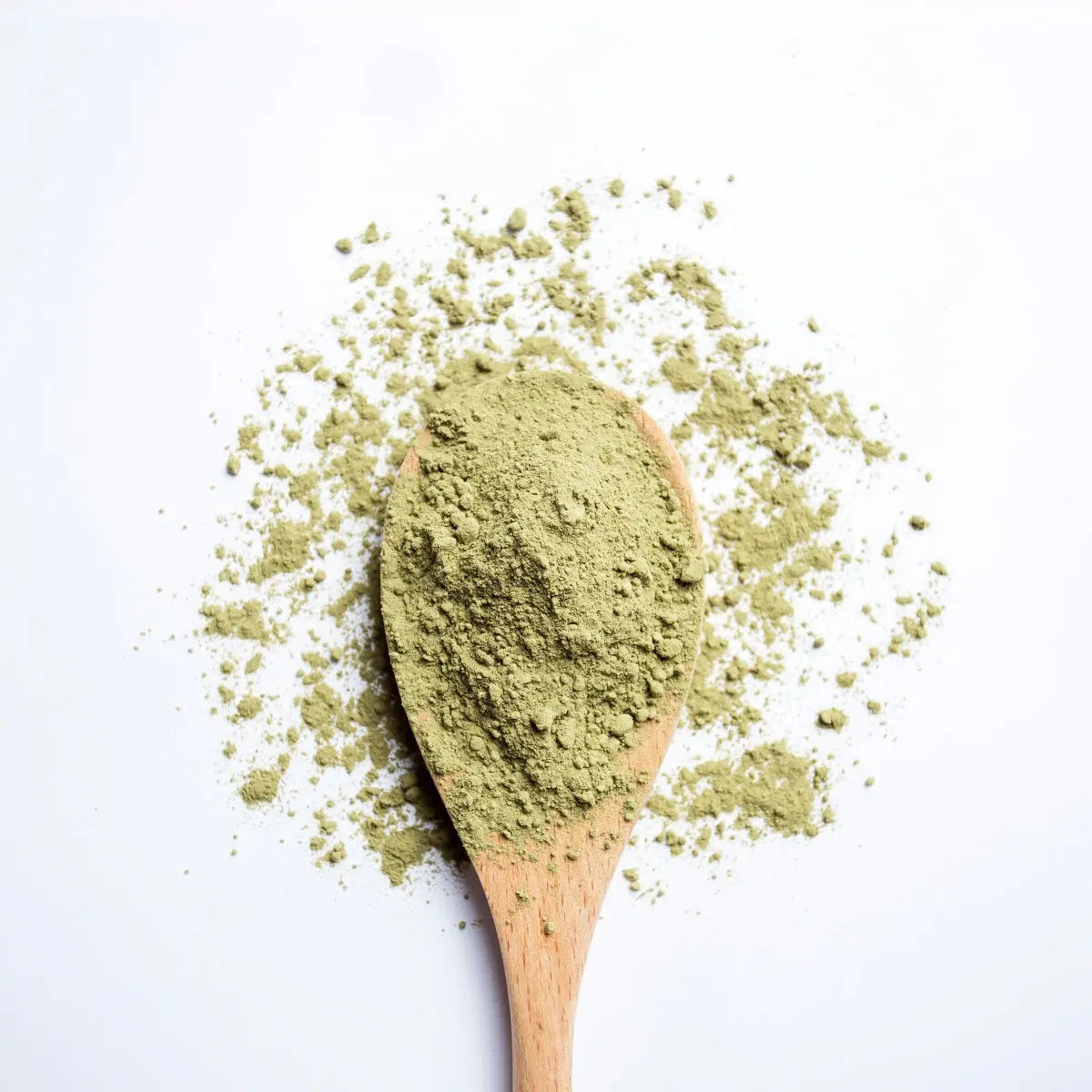
The strongest starting point is green tea. Green tea is rich in catechins, especially EGCG, which are antioxidants studied for their role in vascular function and cardiometabolic health. Matcha is a concentrated form of green tea because the whole leaf is consumed in powdered form, which is why some people use matcha tea when they want a green tea option with a fuller intake of tea compounds. That product page identifies matcha as a source of antioxidants and L-theanine.
Black tea is also well supported. During processing, its polyphenols shift from catechins toward theaflavins and thearubigins, but it still remains a meaningful source of antioxidant compounds. If you prefer a stronger, smoother brewed tea, organic black tea is a relevant example because its product page specifically notes natural antioxidants. There is also a related store article on black tea benefits for heart health that fits this topic directly.
Hibiscus is one of the more discussed herbal ingredients for heart health, mainly because it has been studied for helping support healthy blood pressure in some adults. Unlike green or black tea, hibiscus is naturally caffeine free. The store's Tropic Slender 14-Day Detox includes hibiscus along with green tea and other botanicals, as confirmed in the catalog file.
Rooibos is another herbal ingredient often mentioned in heart-health discussions because it contains polyphenols and is naturally caffeine free. Its evidence base is not as strong as green or black tea, but it is often chosen by people who want an antioxidant-rich herbal alternative without caffeine.
How these ingredients compare
| Ingredient | Main compounds | What it is best known for | Caffeine |
|---|---|---|---|
| Green tea | Catechins, including EGCG | Most studied tea for cardiovascular support | Yes |
| Matcha | Catechins plus whole-leaf intake | Concentrated green tea option | Yes |
| Black tea | Theaflavins, thearubigins | Daily tea with antioxidant support | Yes |
| Hibiscus | Anthocyanins and other polyphenols | Common herbal option for blood pressure support | No |
| Rooibos | Polyphenols | Caffeine-free antioxidant herbal tea | No |
If your priority is the best-studied ingredient, green tea usually comes first. If you want a traditional brewed tea with a bolder taste, black tea is a practical option. If you want to avoid caffeine, hibiscus or rooibos may fit better, though their evidence is less extensive than that of green and black tea.
How to choose a heart-friendly tea
Start with unsweetened tea. Added sugar can work against heart-health goals, so the ingredient matters, but the preparation matters too. Brewed loose-leaf tea can also make it easier to control strength and avoid sweetened bottled options; if you want a general guide to leaf quality and brewing format, the store also has a loose leaf tea benefits article.
Choose based on your tolerance for caffeine. Green tea, matcha, and black tea contain caffeine, while hibiscus and rooibos do not. That matters if you are sensitive to stimulants, have trouble sleeping, or are trying to limit total caffeine intake.
Finally, avoid treating tea as a replacement for medical care. Tea may support heart health, but it does not replace prescribed treatment for high blood pressure, high cholesterol, arrhythmias, or other cardiovascular conditions. People taking medication, especially for blood pressure or heart rhythm, should check with a clinician if they plan to use concentrated herbal blends regularly.
FAQ
What tea is best studied for heart health?
Green tea is the best studied overall. Its catechins, especially EGCG, are the tea compounds most consistently linked with cardiovascular benefits in research.
Is black tea good for heart health too?
Yes. Black tea is also a true tea from Camellia sinensis and contains antioxidant polyphenols, although the specific compounds differ from green tea because of oxidation during processing.
Is hibiscus tea better than green tea for blood pressure?
Hibiscus is often discussed specifically for blood pressure support, while green tea has a broader research base for cardiovascular health overall. They are useful for different reasons rather than being exact substitutes.
Are caffeine-free teas useful for heart health?
They can be. Hibiscus and rooibos are common caffeine-free choices, especially for people who want herbal options or need to limit caffeine.