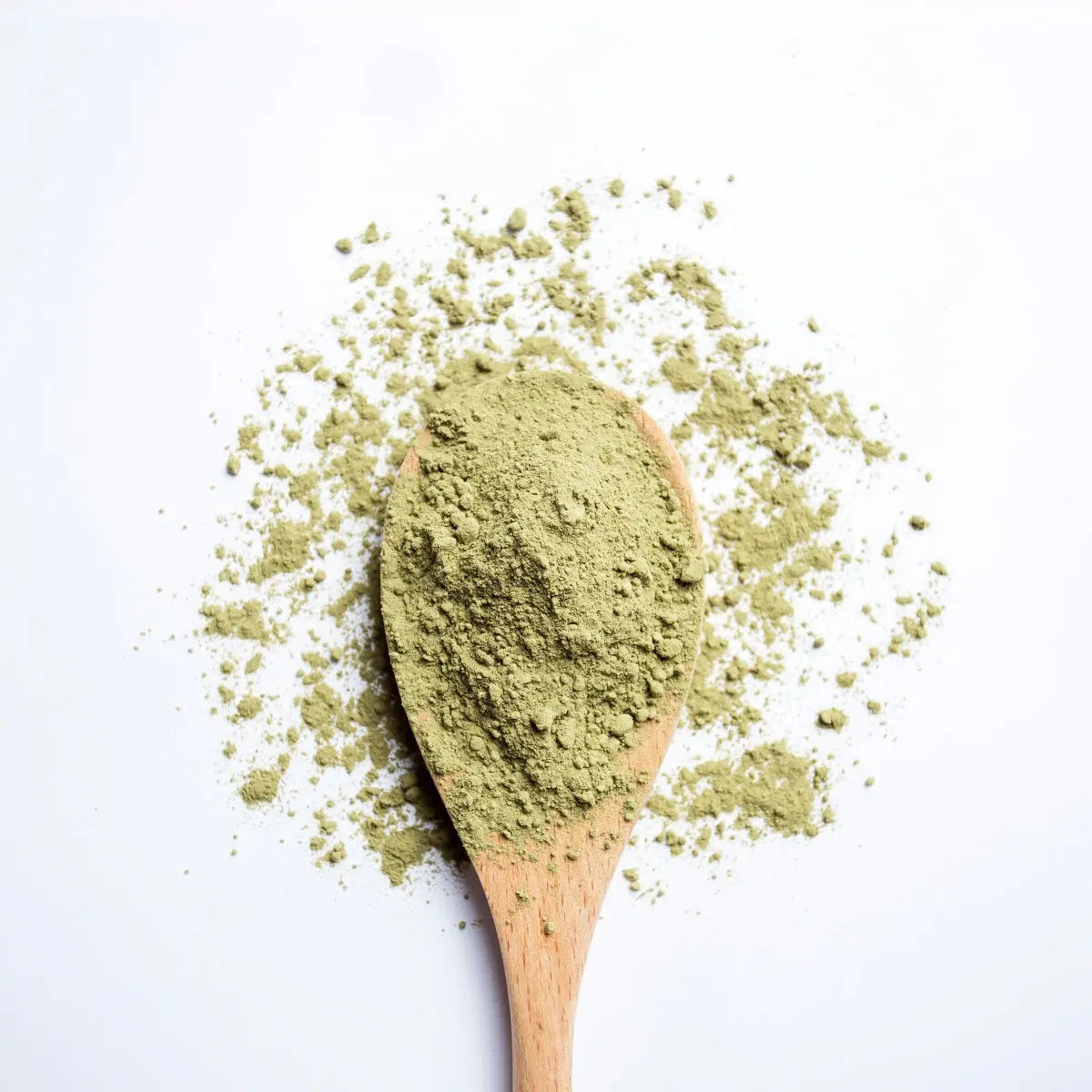


Black tea is one of the most widely consumed teas in the world, and its benefits come mainly from caffeine and polyphenol compounds such as theaflavins and thearubigins. For many adults, it can support alertness, concentration, and a practical daily wellness routine when used in moderation. Heart-related benefits are linked to long-term dietary patterns, not to a single cup, so it is most accurate to view black tea as one helpful habit within an overall healthy lifestyle.
If you want a simple loose-leaf option, Organic Black Tea Smooth Energy is described as a full-bodied organic black tea made from India and Sri Lanka leaves with natural antioxidants and a 3-5 minute brew time, while the broader Our Teas collection also includes black tea and other wellness-focused options.
How black tea may support heart health
Black tea contains flavonoids, including theaflavins, that have been studied for their role in cardiovascular health. Research commonly associates regular tea intake with support for healthy blood vessel function and a lower risk of some cardiovascular outcomes, although results depend on the full diet, activity level, smoking status, blood pressure, and other factors. Black tea does not unclog arteries, cure heart disease, or replace medical treatment.
A practical takeaway is that unsweetened black tea can be a better daily beverage choice than sugar-sweetened drinks for some people. When used this way, it may help support a heart-health-focused routine by adding antioxidant-rich fluid intake without extra sugar. People who are sensitive to caffeine or who have been advised to limit stimulants should ask a clinician how much is appropriate for them.
Loose-leaf preparation can also help readers who want a more direct tea experience with fewer packaging materials. A related guide on loose leaf tea benefits may be useful if you want to compare brewing style and tea quality considerations.
Why black tea can help with focus and energy

Black tea contains caffeine, which can improve alertness, attention, and perceived energy in the short term. Compared with coffee, black tea usually provides less caffeine per cup, so many people find it gives a gentler lift that is easier to fit into a normal workday. That makes it useful for morning routines or early afternoon focus, especially when you want stimulation without a very strong dose.
The effect is not only about feeling awake. Better focus from moderate caffeine intake can make routine mental tasks feel easier, though individual response varies based on sleep, stress, food intake, and caffeine tolerance. If you notice jitters, rapid heartbeat, or sleep disruption, the simplest adjustment is to reduce brew strength, drink a smaller serving, or avoid it later in the day.
For readers comparing tea types for mental performance, black tea and matcha work differently. Black tea is the more straightforward choice when you want a classic brewed tea with moderate caffeine, while matcha health benefits may be relevant if you are specifically interested in the combination of caffeine and L-theanine for steadier focus.
How to use black tea in a daily wellness routine
For most healthy adults, black tea works best as a consistent, moderate habit rather than an all-day drink. One to three cups earlier in the day is a reasonable pattern for many people, depending on total caffeine intake from coffee, tea, energy drinks, soda, or supplements. Drinking it plain or with minimal added sugar keeps the routine aligned with general wellness goals.
Black tea may fit especially well when you want a natural energy option, a warm beverage that supports concentration, or an alternative to higher-sugar drinks. It is less suitable late in the evening if caffeine affects your sleep, and it should be used carefully by people who are pregnant, have iron deficiency concerns, or take medications that interact with caffeine. If symptoms or medical conditions are involved, personalized advice matters more than general tea guidance.
If you prefer a ready-to-brew loose-leaf format, the Loose Leaf Black Tea Kit 100g pairs organic black tea with a reusable strainer, and the store FAQ also notes general tea wellness themes such as heart health and brain function in its loose-leaf guidance.
FAQ
Is it okay to drink black tea every day?
For many healthy adults, moderate daily black tea intake is reasonable. The main limit is total caffeine intake and whether it affects sleep, anxiety, heart rhythm, or digestion.
Does black tea help heart health?
Black tea may support heart health as part of an overall healthy diet because it contains flavonoids linked to cardiovascular benefits. It is not a treatment for heart disease and should not replace medical care.
Does black tea improve focus?
Yes, black tea can improve alertness and concentration because it contains caffeine. The effect is usually milder than coffee because black tea generally has less caffeine per cup.
When should you drink black tea for energy?
Morning or early afternoon is usually best. Drinking it too late in the day may interfere with sleep in people who are sensitive to caffeine.