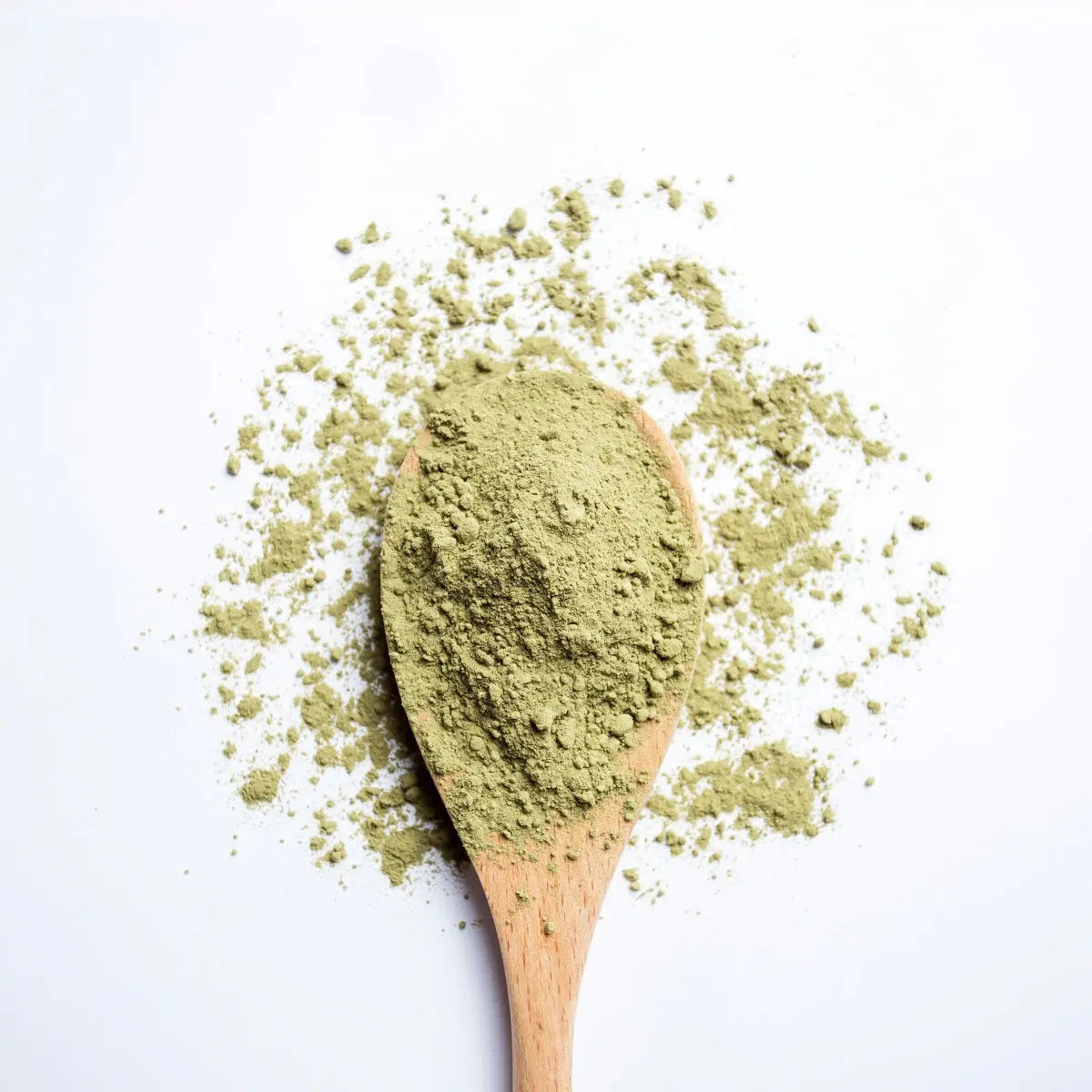


Matcha is a powdered green tea made from shade-grown tea leaves that are ground and whisked into water. Because you consume the whole leaf, matcha can provide more concentrated amounts of certain tea compounds than steeped green tea. Its health effects are largely linked to antioxidants (especially catechins such as EGCG), caffeine, and the amino acid L-theanine.
What matcha contains (and why it matters)
Matcha contains polyphenols (including catechins), chlorophyll, and other plant compounds formed or increased by shade growing. A Harvard Health overview notes matcha is rich in antioxidants and phytochemicals such as catechins, chlorophyll, and quercetin. These compounds help explain many of the researched effects of green tea and matcha on oxidative stress and cardiometabolic markers.
Matcha also provides caffeine and L-theanine, a combination associated with alertness and a calmer subjective feel for some people compared with coffee. However, exact amounts vary widely by powder type, serving size, and preparation method.
Antioxidant and anti-inflammatory support
Matcha is widely cited for its antioxidant content, particularly catechins such as epigallocatechin gallate (EGCG). Antioxidants help neutralize free radicals and may reduce oxidative stress, a process linked to chronic disease risk. Harvard Health describes matcha as containing an abundance of antioxidants, including polyphenols such as catechins.
Human outcomes depend on overall diet and lifestyle, and matcha is not a treatment for inflammatory conditions. Still, as an unsweetened beverage choice, it can be a practical way to add polyphenols without added sugar.
Brain, focus, and energy: caffeine plus L-theanine
Matcha contains caffeine, which can improve alertness and reduce fatigue. WebMD highlights caffeine as one of matcha's best-studied ingredients for helping people stay awake and focused. Many explanations of matcha's "calm focus" also point to L-theanine, which may influence attention and stress perception.
If you are sensitive to caffeine, matcha can still cause jitteriness, anxiety, or sleep disruption, especially later in the day. Start with a small serving and avoid pairing matcha with other caffeinated products if you are monitoring total caffeine intake.
Heart and metabolic health: what the evidence suggests
Evidence for matcha specifically is still developing, but findings for green tea and matcha-like preparations suggest potential benefits for cardiometabolic markers in some populations. Reviews of matcha research describe potential effects on cardio-metabolic health, though results vary by study design, dose, and participant health status.
Some clinical discussions also mention possible improvements in cholesterol or blood sugar markers, but matcha should not replace medical care for diabetes, high cholesterol, or hypertension. If you add matcha to your routine, the most consistent advantage is often substitution: replacing sugar-sweetened beverages with unsweetened tea.
Liver considerations and supplement caution
Some evidence on green tea compounds suggests possible liver-related effects, but concentrated extracts are the main concern in safety reports. Matcha as a beverage is not the same as high-dose green tea extract supplements, which can deliver much larger amounts of catechins. If you have liver disease or take medications that affect the liver, discuss regular matcha use with a clinician.
A practical safety rule is to avoid combining multiple catechin-containing supplements with daily matcha unless a qualified professional advises it. This helps reduce the risk of unintentional high intake.
How much matcha is safe to drink daily?
There is no single daily amount that is right for everyone because matcha caffeine and catechin levels vary. For many healthy adults, moderate caffeine intake is generally considered safe, but individual factors (pregnancy, anxiety, heart rhythm conditions, medications) can change what is appropriate. If you are unsure, treat matcha like other caffeinated beverages and adjust based on sleep quality, heart rate symptoms, and digestive comfort.
To reduce the chance of side effects, use smaller servings, avoid late-day matcha, and choose unsweetened preparations. If you experience palpitations, worsening anxiety, or insomnia, reduce intake or stop and seek medical advice.
Matcha vs green tea: key differences

Both come from the tea plant (Camellia sinensis), but matcha is typically shade-grown and consumed as a powder mixed into the drink. Steeped green tea is infused, then leaves are discarded. Because matcha involves consuming the leaf, it may deliver higher concentrations of certain compounds per serving, though product quality and serving size are major variables.
If you want lower caffeine, steeped green tea is often an easier fit. If you want a more concentrated tea flavor and potentially higher intake of tea compounds per serving, matcha is the more concentrated option.
Practical tips to maximize benefits (and minimize drawbacks)

- Keep it unsweetened: added sugar can offset cardiometabolic goals.
- Use water that is hot, not boiling: very hot water can make matcha taste more bitter, which may lead to more sweeteners being added.
- Start small: begin with a lower amount of powder to gauge caffeine sensitivity.
- Time it earlier in the day: this can reduce sleep disruption from caffeine.
- Be cautious with iron: like other teas, matcha can inhibit non-heme iron absorption when taken with meals; consider separating tea from iron-rich meals if you have iron deficiency concerns.
FAQ
Is it healthy to drink matcha every day?
For many healthy adults, daily matcha in moderate amounts can fit into a healthy diet, but tolerance varies due to caffeine and concentrated tea compounds. If you have pregnancy, heart rhythm issues, anxiety, liver disease, or take stimulant medications, ask a clinician about daily use.
Does matcha have more caffeine than coffee?
It depends on serving sizes and preparation. Matcha contains caffeine, but brewed coffee often has more caffeine per typical serving; however, strong matcha servings can be significant. Check product guidance and adjust based on your caffeine sensitivity.
Can matcha help with focus?
Matcha contains caffeine, which is associated with increased alertness and attention. WebMD notes caffeine is one of matcha's best-studied ingredients for helping people stay awake and focused, and matcha also contains L-theanine, which may influence attention and stress perception.
Is matcha better than green tea for antioxidants?
Matcha is often more concentrated than steeped green tea because the whole leaf is consumed. Harvard Health describes matcha as containing an abundance of antioxidants, including catechins, but exact levels vary widely by product, serving size, and preparation.
Are green tea extract pills the same as drinking matcha?
No. Supplements can deliver much higher, more concentrated doses of catechins than a typical beverage serving. Safety concerns, including liver-related adverse events, are more commonly discussed with concentrated green tea extracts than with drinking tea.